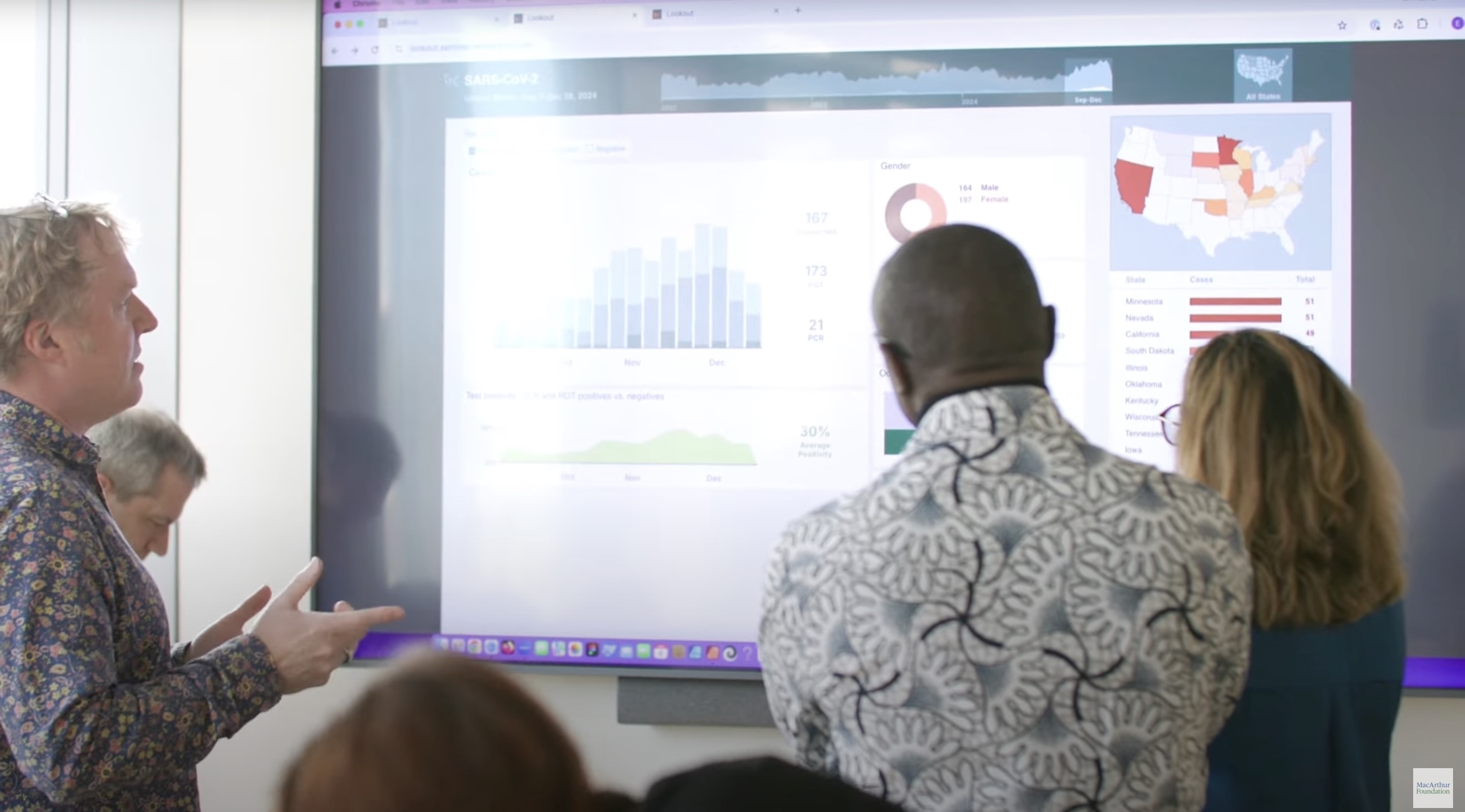
Pandemic preparedness has always been essential for global health and safety — but it’s rarely prioritized outside of an active outbreak. Our long time collaborator Pardis Sabeti knows this well and has been determined to establish a comprehensive outbreak surveillance and response framework for well over a decade.
Pardis’s involvement in the Ebola outbreak response back in 2014 (for which she was named a TIME Person of the Year) strengthened her understanding of all the institutional and on-the-ground breakdowns that can happen when there isn’t a solid response infrastructure already in place. Responding to an outbreak as it’s happening leads to imperfect solutions and adds layers of complexity to already overloaded systems. The critical work of “being ready” during periods of relative stability is essential for an effective response.
We’ve been working with Pardis and her partner Christian Happi for years to develop tools for outbreak surveillance and pandemic prevention. Despite having the groundwork in place to build and implement actual solutions for these challenges, funding for this work was incredibly hard to come by until about six years ago when the project (by then called Sentinel) was awarded the Audacious Prize in early 2020… directly before the spread of SARS-CoV-2 was declared a global pandemic.
.jpg)
The global pandemic was overwhelming in many ways; in short, we were all trying to navigate a world that had suddenly turned upside down. To face the pandemic head-on through this project—despite those emotions of grief and fear creeping in at times—gave us a sense of purpose amidst the chaos. We had the opportunity to direct our time and energy into tangible work. As our knowledge of the pandemic evolved, scientists, researchers, and public health officers needed different kinds of tools to help them make sense of the situation. We worked with them to spin up dozens of data-driven tools over time, ranging from outbreak surveillance to genomic research.

As the SARS-CoV-2 pandemic continued over the years, and as we’ve gradually turned our attention to other kinds of outbreaks across different communities, the work has continued in many meaningful ways. Though we don’t work on the front line of public health crises, our hope is to equip our colleagues in research and public health with more useful tools, hopefully alleviating those pressures of an outbreak, or at least giving them a way to learn more from the situation.
.jpg)
This week, we’re so thrilled to share that the Sentinel project has been awarded the MacArthur Foundation 100&Change grant. This is a huge investment in pandemic prevention in Africa and worldwide, and will be invaluable in strengthening our existing collaborations and expanding our reach to more communities.
On a more personal level, we feel deeply heartened by the vote of confidence in both the work that the Sentinel project has already achieved, and what we aim to do over the next few years. Amidst budget cuts and threats to public health, both domestically and globally, this project has been giving us hope that this persevering commitment to a global collaboration in public health can make real change in the world.
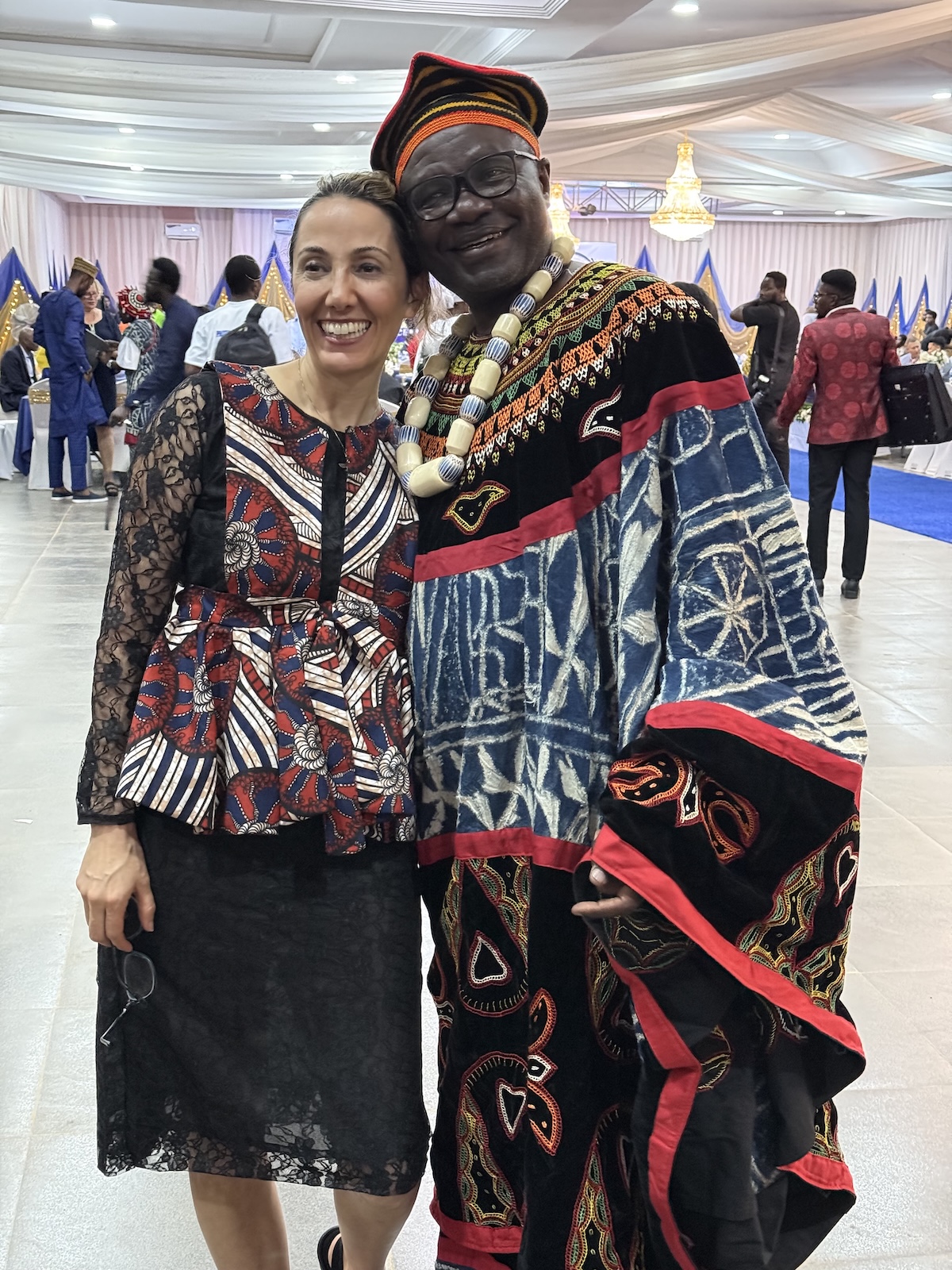
It’s been an honor to be able to work closely with Pardis Sabeti, Dr. Christian Happi, and the rest of the Sabeti Lab on this transformative project. We continue to make progress on many exciting plans for collaboration and expansion. Congrats to the Sabeti team, and look forward to more news from us!
We’d love to hear what you’re working on, what you’re curious about, and what messy data problems we can help you solve. Drop us a line at hello@fathom.info, or you can subscribe to our newsletter for updates.